Rocket Site Secrets

Mukesh Kumar
| 23-04-2026
 · Science Team
Imagine standing on a coastline, the air thick with salt and anticipation, as a tower of steel prepares to defy gravity.
Building a spaceport isn't just about finding a flat piece of land; it is a high-stakes game of physics, geography, and safety.
You cannot simply launch a massive vehicle from your backyard. The path to the stars is governed by the rotation of our planet and the unforgiving laws of orbital mechanics.
Choosing the perfect spot is the difference between a successful mission and a multi-billion-dollar firework display.
The Magic of the Equator
The primary secret to a perfect launch site is its proximity to the center of the Earth's rotation. Our planet spins fastest at its widest point. When a vehicle lifts off near the equator, it gains a "free" speed boost from the Earth itself.
1. Rotational Velocity: At the equator, the Earth rotates at roughly 1,670 kilometers per hour. A rocket launching from this zone inherits that speed, saving massive amounts of fuel.
2. Payload Efficiency: Because less fuel is needed to reach orbital velocity, engineers can pack more satellites or scientific equipment into the nose cone.
3. Fuel Economy: Lower fuel requirements mean smaller tanks and lighter vehicles, which drastically reduces the cost per kilogram for every mission sent into the atmosphere.
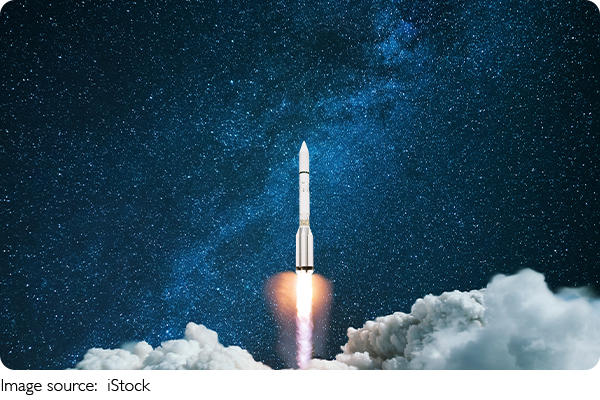
Eastward Toward the Ocean
Almost every major spaceport in the world shares a common neighbor: a vast, empty body of water to its east. Since the Earth rotates from west to east, vehicles must head east to catch that rotational boost mentioned earlier.
Safety and Separation Zones
Rocketry is inherently risky. During the initial stages of flight, boosters and fuel tanks are discarded as they empty. Engineers must ensure these heavy metal components fall into uninhabited zones. Coastal locations allow these spent stages to splash down safely in the ocean rather than landing on a residential neighborhood or a busy highway. This "drop zone" logic also applies to potential mid-air failures. If a flight needs to be terminated, the debris must have a clear path to an unpopulated area.
The Role of Infrastructure
A launch site is more than just a concrete pad; it is a massive industrial complex that requires specialized transport links. The components of a modern space vehicle are often too large for standard tunnels or narrow bridges.
4. Maritime Access: Most sites are located near deep-water ports. This allows giant barges to deliver rocket stages that are too wide to travel by rail or truck.
5. Specialized Fuel Storage: Spaceports require massive cryogenic facilities to store liquid oxygen and hydrogen at extremely low temperatures. These facilities must be kept far from the launch pad to prevent chain reactions.
6. Weather Stability: High winds, lightning, and heavy humidity can delay a mission for weeks. Ideal sites are often in regions with predictable, stable climates to maximize the number of available launch windows throughout the year.
Practical Guide: Visiting a Space Center
For those who want to see these marvels in person, several sites offer public viewing areas. One of the most famous is the Kennedy Space Center in Florida.
• Transportation: Most visitors fly into Orlando International Airport and rent a vehicle for the 45-minute drive east to Merritt Island.
• Opening Hours: Generally open from 9:00 AM to 5:00 PM daily.
• Entry Prices: Standard admission for a guest is approximately $75. This includes bus tours of the launch pads and entry to the Space Shuttle Atlantis exhibit.
• Accommodation: Hotels in nearby Cocoa Beach range from $150 to $300 per night depending on the season and proximity to the ocean.
• Pro Tip: If a launch is scheduled, book your "Launch Viewing" ticket months in advance, as they sell out instantly.
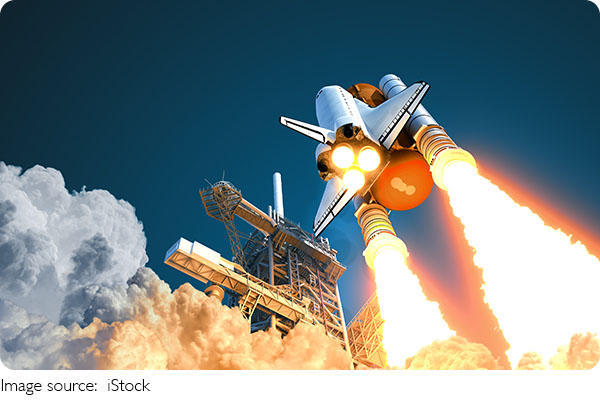
Selecting a site for a spaceport is a masterclass in balancing the limits of our planet with the ambitions of our species. By leveraging the Earth's natural spin, ensuring a safe splashdown zone in the ocean, and building robust maritime logistics, we create the perfect doorways to the cosmos. Every successful satellite deployment or deep-space probe begins with the quiet, calculated choice of where it first leaves the ground. The mystery of the launch site is simply the art of using the Earth to help us leave it behind.