Forest Deer Charm

Kwame Johnson
| 26-05-2026
 · Animal Team
When we walk through a quiet woodland park or visit a wildlife garden, we sometimes notice a graceful deer covered with bright white spots. At first glance, many people think it is a spotted deer, yet there is another charming species hiding in the trees — the fallow deer.
This beautiful animal originally came from the Mediterranean region of Europe and later appeared in many wildlife parks around the world as an ornamental species.
Although it is not as widely discussed as some other deer, the fallow deer has quietly won the hearts of visitors with its elegant appearance and gentle personality.
What makes this deer truly special is its incredible range of coat colors. In one single herd, we may see dark brown individuals, pale cream-colored ones, and even striking white varieties. These natural differences come from genetic variation, giving the species a rich and colorful look that feels almost magical in the forest light.
A Summer Look Full of Bright Spots
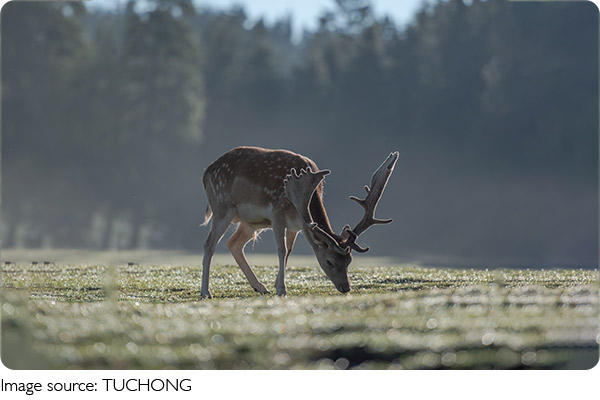
During summer, the fallow deer becomes especially eye-catching. Its coat is decorated with small white spots that sparkle under sunlight, creating a fresh and lively appearance. When we see them walking slowly between trees or resting near grass fields, they almost look like moving pieces of sunlight.
The summer coat is usually lighter and smoother. The spotted pattern becomes clearer during warm months, helping the deer blend naturally into sunlit woodland areas. This natural camouflage protects them while also giving them a soft and elegant beauty.
Young deer often stay close to their mothers in shaded areas during hot afternoons. At sunrise or near sunset, whole groups may come out together to search for fresh grass, leaves, and fallen acorns. Watching them move calmly through the landscape feels peaceful and relaxing for visitors.

The Big Change During Winter
As temperatures become cooler, the fallow deer slowly changes appearance. Its thin summer coat is replaced by thicker winter fur, helping it stay warm during cold days. Because the fur becomes denser and darker, the famous white spots are less visible at this time of year.
This seasonal change often causes confusion. Many visitors mistake fallow deer for spotted deer in winter because the coat patterns become harder to notice. However, if we observe carefully, several clear differences appear.
One of the easiest ways to tell them apart is by looking at the antlers. Male fallow deer grow broad antlers shaped almost like open hands or tree leaves. The upper part spreads outward in a flat form, creating a unique crown-like structure. Spotted deer, in comparison, have thinner antlers with separate branches that resemble tree limbs.
Another useful clue is the tail area. Fallow deer usually have longer tails, and near the hips there are dark markings shaped like a small heart. This lovely pattern is one of the species’ most recognizable features and adds even more charm to its appearance.
The Special Beauty Behind the Name
The name of the fallow deer is closely connected to its warm coat color. Under sunlight, its fur often shines with a soft amber tone that feels gentle and comforting, especially during colder seasons.
Yet its beauty is not only about color. The species carries an elegant body shape, calm movements, and expressive eyes that give it a peaceful presence. When standing quietly among fallen leaves, the deer seems perfectly connected with the natural surroundings.
Its antlers are also unforgettable. From a distance, the wide shape resembles artistic branches spreading toward the sky. During certain seasons, males proudly display these antlers while walking through open areas, creating a truly impressive scene for wildlife lovers and photographers alike.
A Gentle Personality That Wins Hearts
Beyond appearance, fallow deer are known for their calm and friendly nature. They usually avoid conflict and prefer to run away quickly when feeling nervous. This quiet behavior makes them popular residents in wildlife parks and nature gardens.
They are also highly adaptable animals. Forests, grasslands, and shrub-covered areas can all become comfortable homes for them. Their diet is simple and natural, including fresh grass, leaves, tender branches, and acorns gathered from the ground.
In many animal parks, visitors enjoy observing them up close because they move gracefully and rarely appear aggressive. Families with children often spend time watching them eat, rest, or gently interact with one another.
A Wonderful Outdoor Experience for Visitors
As spring arrives and flowers begin to bloom, wildlife parks become lively once again. This is one of the best times for us to observe fallow deer outdoors. The weather feels comfortable, the scenery becomes colorful, and the deer start spending more time in open spaces.
Some parks even offer interactive activities where visitors can learn basic animal care knowledge from staff members. Watching how deer live, what they eat, and how they communicate with the herd helps us better understand the importance of protecting natural habitats.
For photography lovers, early morning is often the perfect moment to capture beautiful images. Soft sunlight shining through trees creates a dreamy atmosphere around the deer, especially when the white spots glow gently against the woodland background.
A Forest Treasure Worth Discovering
Dear Readers, the fallow deer may not always be the most famous animal in a wildlife park, yet its beauty quietly leaves a lasting impression. From glowing summer spots to heart-shaped markings and elegant antlers, every detail makes this species feel like a hidden forest treasure.
Next time we visit a woodland garden or animal park, let’s slow down and take a closer look. We may discover a peaceful group of fallow deer resting beneath the trees, bringing a calm and refreshing moment to our busy lives.
Lykkers, have you ever seen a fallow deer in person? Which feature impressed you the most — the spotted coat, the unique antlers, or the heart-shaped markings?
Fallow Deer facts: the SPOTTED DEER 🦌 | Animal Fact Files
Video by Animal Fact Files