Hidden Deer Spots

Naveen Kumar
| 11-08-2026
 · Animal Team
Lykkers, have we ever noticed that a sika deer can look quite different in summer and winter? In warm weather, its coat is often easy to recognize because of the clear white markings across its body.
When winter arrives, however, those markings seem to become much less visible. This can make us wonder whether the deer actually loses its spots.
The interesting answer is that the spots do not truly disappear. What changes is the coat covering them. By looking at how a sika deer changes its coat through the year, we can understand why the familiar pattern seems to vanish when temperatures fall.
Our Coat Changes With Seasons
We may think of fur as something that stays the same throughout an animal's life, but many mammals regularly replace their coat. Some species do this once a year, while many change their coat twice, generally around spring and autumn.
These seasonal changes help animals adapt to their surroundings. During warmer months, plants are often green and full, so a deeper coat can blend more naturally with the summer landscape. As the colder season arrives, the surroundings often become lighter and less colorful. The coat can also become lighter, helping the animal fit into its changing environment.
At the same time, temperature affects the thickness of the coat. A summer covering is generally thinner, while a winter covering becomes fuller and denser.
Summer Makes Spots Clear
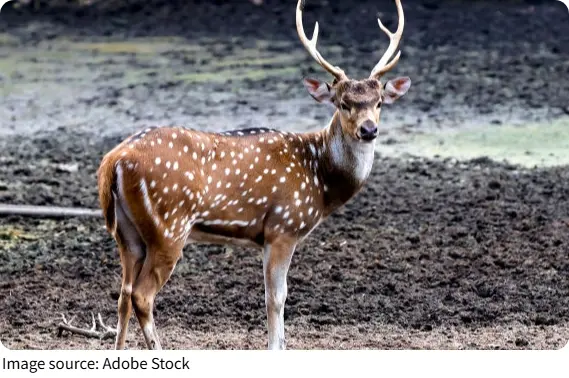
When a sika deer changes from its winter covering to its summer covering, the white markings become much easier for us to see. The summer coat is relatively thin, and the white hairs that form the spots stand out clearly against the darker background.
Because there is less hair covering the body, the contrast between the white areas and the main coat color is stronger. In bright daylight, we can easily notice the familiar pattern across the deer's back and sides.
This is why sika deer often look especially striking during summer. Their white markings are not suddenly appearing at this time. Instead, the thinner seasonal coat allows a pattern that is already part of their natural appearance to become much more obvious.
Winter Hides the Pattern
As autumn progresses, the sika deer begins changing into its winter covering. This seasonal change creates a very different appearance.
First, the overall coat color becomes lighter. Second, there are fewer clearly visible white hairs within the covering. Most importantly, the winter coat becomes much thicker and denser.
Because the hairs grow more closely together, they cover the body more completely. The white markings become partly hidden within this fuller layer. From a distance, we may therefore feel that the spots have disappeared.
However, nothing mysterious has happened. The markings have simply become harder for us to see because of the new winter covering.
Why Does the Winter Coat Grow?
We can also understand this change by considering the weather. Summer and winter require different kinds of protection.
In warm weather, a thinner coat is more suitable because the deer does not need as much insulation. When temperatures drop, a denser covering helps protect the body from cold air. The many layers of hair can hold warmer air close to the skin, giving the animal better protection during colder days.
Therefore, the winter appearance is not only about color. The deer is changing the thickness, density, and overall structure of its coat as part of a natural seasonal cycle.
A Natural Visual Illusion
When we compare a summer sika deer with one seen in winter, the difference can be surprisingly large. The same animal can appear darker and more clearly spotted in one season, then lighter and almost plain in another.
This is a good example of how nature can change what we see without changing the basic markings themselves. Coat thickness, hair color, lighting, and viewing distance can all affect how clearly the spots appear.
So, if we see a winter sika deer without obvious white markings, we should not assume that its spots are gone.
The Spots Are Still There
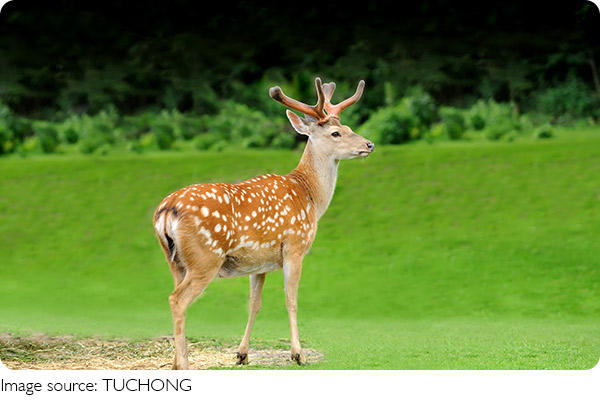
The answer is simple: sika deer do not truly lose their white spots in winter. Instead, they replace their summer coat with a thicker winter coat. The lighter color and denser hairs make the markings much less noticeable.
Lykkers, the next time we see a sika deer in winter, let's look a little closer. What seems like a disappearing pattern is actually a clever seasonal change. Nature has not erased the spots; it has simply covered them in a different coat.