Orchid Types and Care

Antonio
| 12-11-2026
 · Plant Team
Welcome, readers. Most people treat orchids as fragile plants that need a greenhouse and a careful hand.
They don't. A Phalaenopsis sitting on a kitchen windowsill can bloom for three months at a time with almost no fuss, as long as you stop watering it on a schedule and start watching the roots instead.
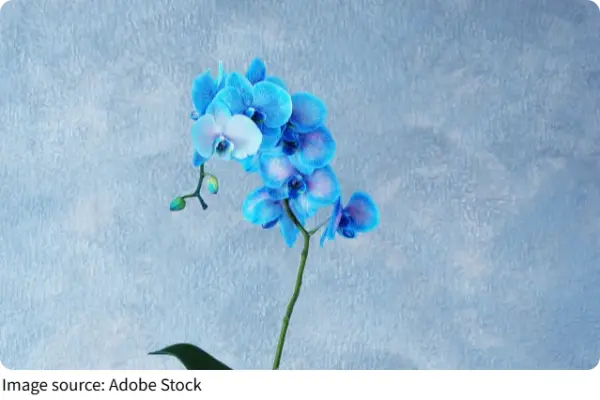
Start with the easy types
Phalaenopsis, the moth orchid, is the one you see in every supermarket for $20 to $30, and it's the right place to start. Its roots are thick and silvery-green, and they tell you when to water. Dendrobium and Oncidium are the next step up, and Cattleya, the big ruffled corsage orchid, needs brighter light and a real dry rest between waterings. Pick one that matches the light you actually have, not the one you wish you had.
Roots tell you when to water
Do not water on a fixed day of the week. Lift the container and check the roots through a clear liner, or poke a finger an inch into the bark. Silvery and dry means water now. Green and firm means wait two more days. When you do water, soak the container under a tap until it runs out the bottom, then let it drain completely, because sitting in a saucer of water rots the roots faster than anything else.
Light matters more than food
An east-facing window suits most orchids well, and a sheer curtain fixes a south window that gets too harsh at midday. Leaves should be a medium olive green. Dark, floppy leaves mean too little light. Reddish or scorched edges mean too much. Feed with a balanced orchid fertilizer at quarter strength every second watering during active growth, and skip it entirely while the plant is resting.
The bark mix breaks down
That chunky bark mix in the container does not last forever. It compresses and turns to mush in roughly two years, and once it does, the roots suffocate. Repot into fresh medium-grade bark when the mix crumbles in your fingers or when new roots start climbing over the rim. Trim any hollow, brown roots with clean scissors, and bury the base at the same depth it sat before.
Why buds drop
A plant loaded with buds that suddenly yellow and fall is usually reacting to a draft, a blast of dry air from a heater, or ethylene from ripening fruit nearby. Move it away from the kitchen fruit bowl and away from doorways. Steady temperatures between 65 and 75°F keep buds coming. One more thing: don't repot a Phalaenopsis while it's in bud, or you'll likely lose the whole spike.
Get the light and the watering right, and orchids turn out to be some of the more forgiving houseplants you can own. Check those roots before you reach for the watering can next time, and you'll be ahead of most growers already.